16 January 2020, 17:30
.jpg)
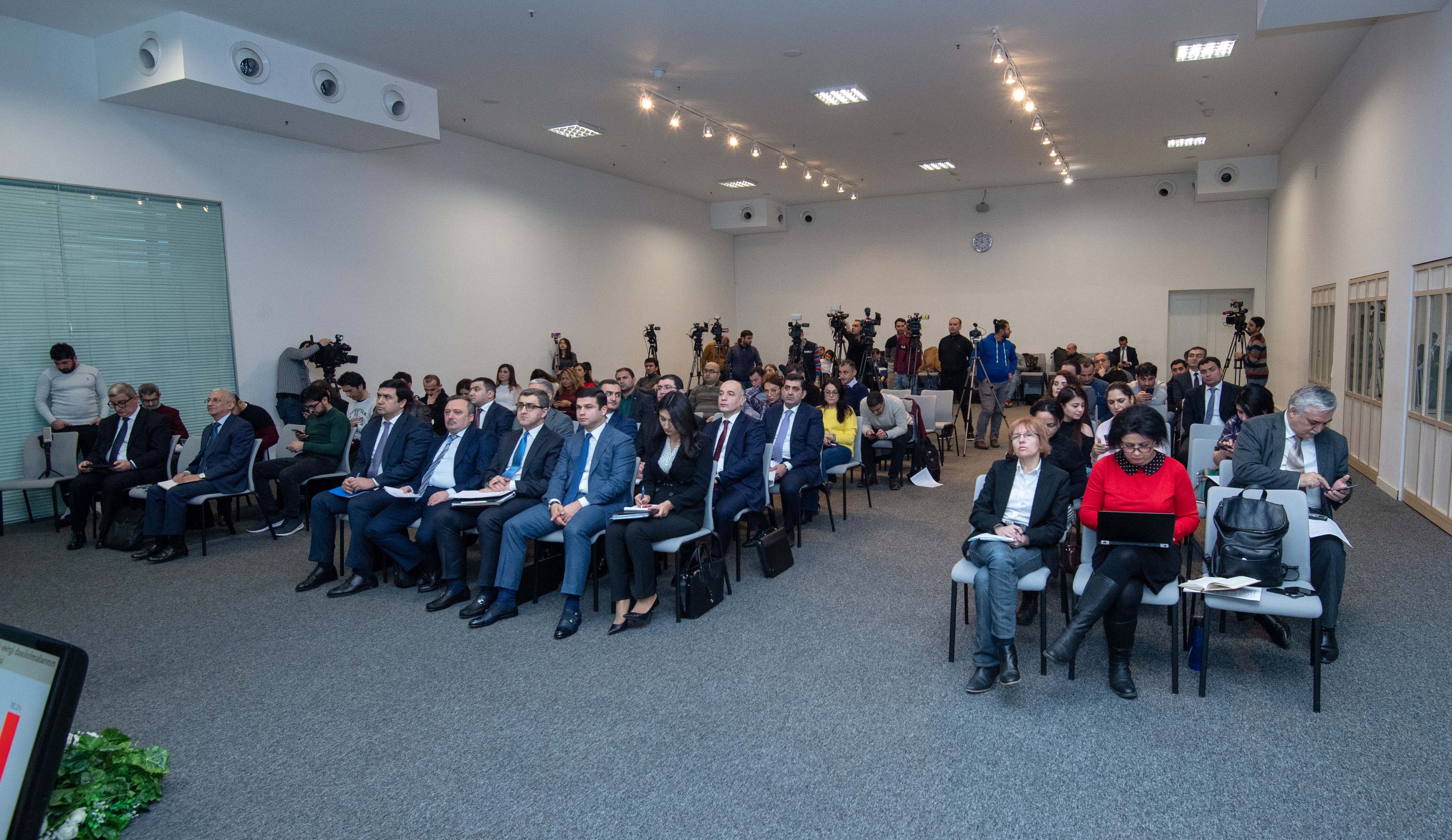
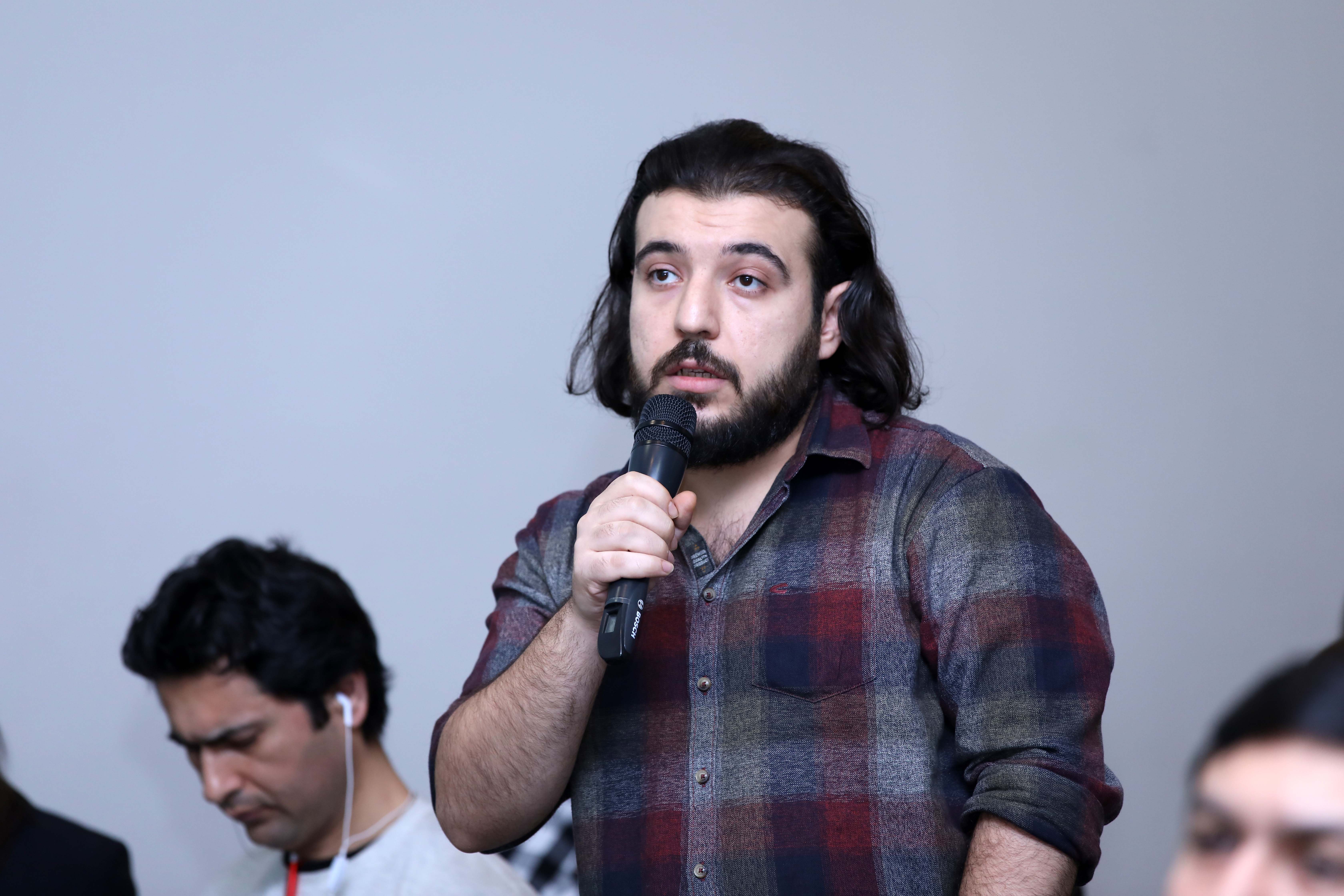
On January 16, a press conference on the results of 2019 and the activities of the Ministry of Economy was held at the Baku Business Center.
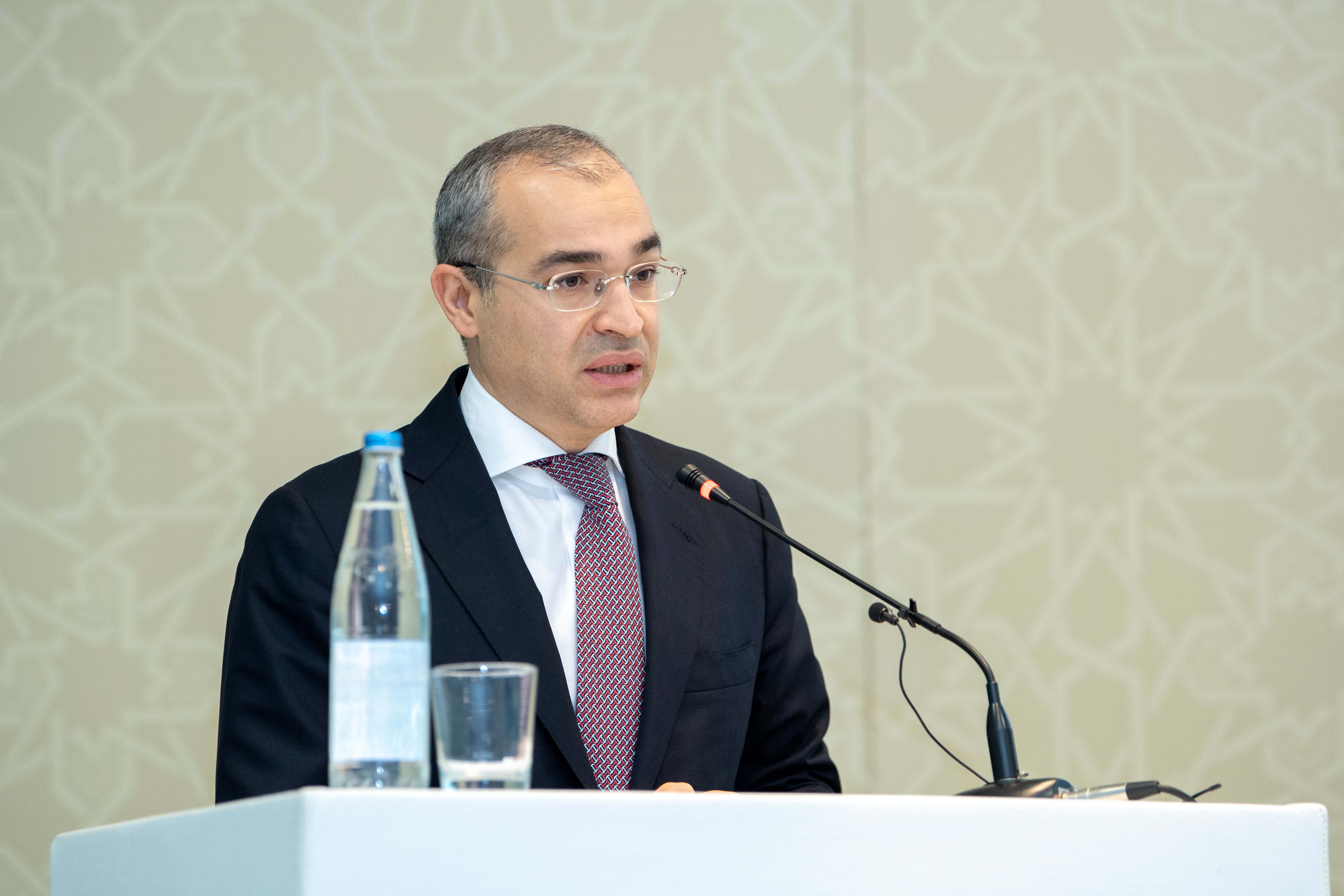
Speaking at the event, Minister of Economy Mikayil Jabbarov said that 2019 was accompanied by large-scale measures for continuing reforms in the country's economy, further enhancing business and investment climate, and significantly improving the welfare of the population. Under the leadership of the Head of State, multiple reforms were carried out to diversify the economy, accelerate the socio-economic development of the regions, promote the non-oil private sector and boost non-oil exports, and support small and medium-sized businesses.
Highlighting the economic successes achieved in 2019, the minister noted the overall positive dynamics in economic growth. According to preliminary estimates, in 2019, real GDP growth was 2.2 percent, and 3.5 percent in the non-oil sector. In the non-oil sector, industrial production increased by 13.9 percent, while non-oil exports exceeded $ 1.9 billion. Last year the real growth rate of investments in the non-oil sector's fixed capital was 3.5%. The share of non-oil sector investments in total investment increased by 69.7% in 2019 compared to 65.2% in 2018.
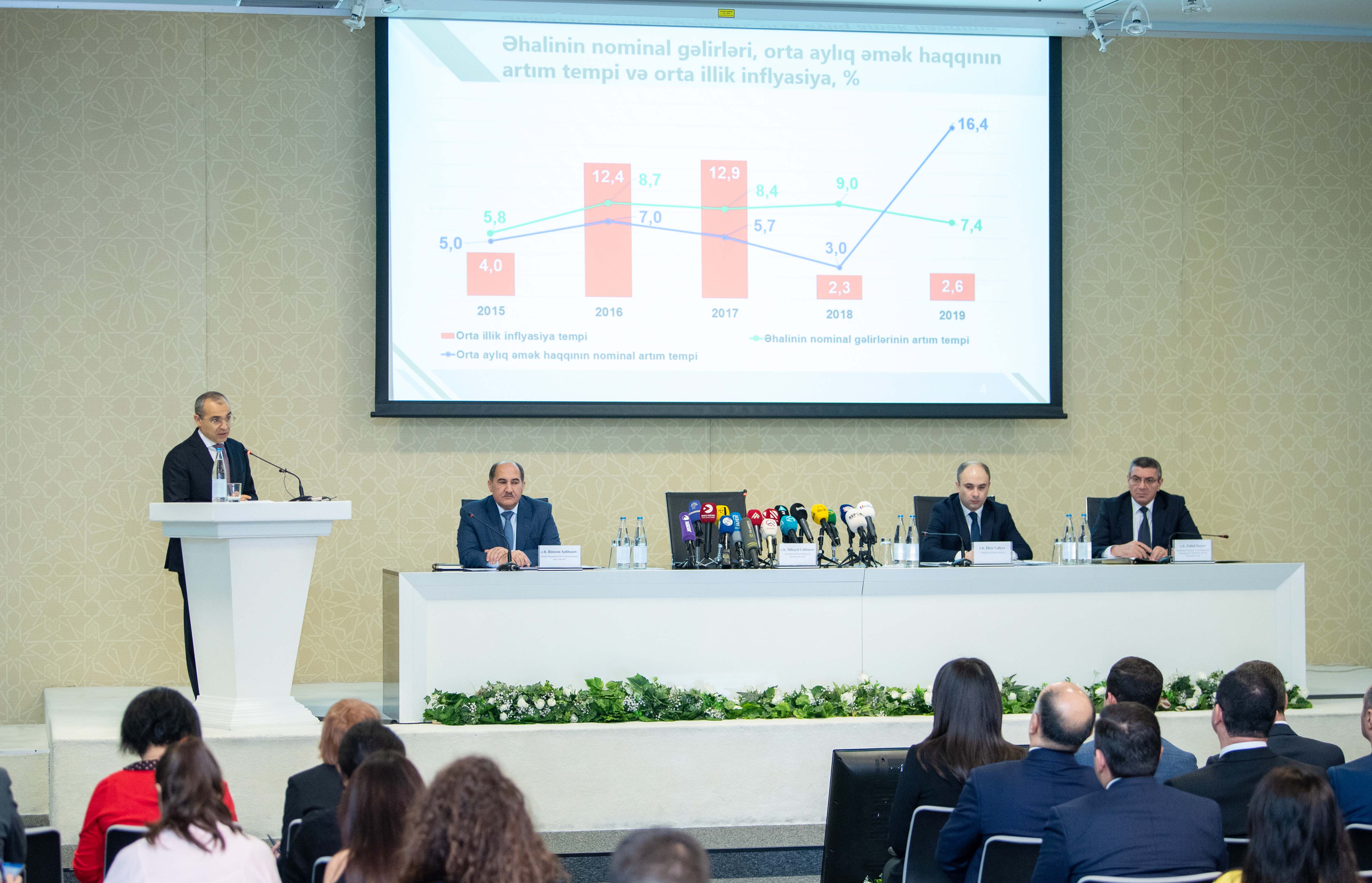
Moreover, important steps have been taken to enhance the social protection of the population over the prior period. As a result, the nominal growth rate of the population's income was 7.4% and surpassed the average annual inflation (2.6%). The average monthly wage growth rate in the volume of 16.4% significantly exceeded the rate of growth of the population's income, which is related to both salary growth and labor market legalization.
The Minister emphasized that the shadow economy is declining as a result of tax reforms. In 2019, tax revenues reached an all-time peak of 7.672.6 million manat. Over the past two years, overpayments to the state budget have been reduced to 721,4 million manat.
Last year, the forecast for tax revenues of the non-oil sector was fulfilled at 109.1 percent, which is the highest level so far. Tax revenues from the non-oil sector increased by 458.3 million manat or 9.1 percent, reaching to 5,432.3 million manat. The special weight of revenues from this sector in total tax revenues was 70.8%, and the private sector's share in the non-oil sector's tax revenues totaled to 76.4%. It was noted that the share of voluntary tax revenues in the non-oil sector reached 91.1%. Revenues from the non-oil sector increased by 16.4 percent on VAT, by 4.7 times on excise tax, and by 12.6 percent on profit tax.
It was noted that revenues from the regions increased by 11.9% and reached 795.4 million manat. The Minister said that the transfer to regions of 50% of the funds paid to the state budget on cities and regions by the end of the budget year will provide additional fiscal incentives to reduce their dependence on subsidies and the expansion of taxation base.
M. Jabbarov noted that the dynamics was formed in the context of the provision of tax incentives for individuals. With the aim of legalizing the labor market, the salaries of non-oil private sector employees up to 8,000 manat were exempted from income taxes last year, with more than 300 million manat remaining at the disposal of those employees. The effectiveness of this reform is clearly seen in the dynamics of employment contracts. In 2019, the number of employment contracts concluded in the non-public sector increased by nearly 99,000 (18.3 percent). There has also been an increase in payroll thanks to the aforementioned reforms and also as a result of wage increases.
Reforms in labor relations have had a positive impact on the revenues of compulsory state social insurance and unemployment insurance. In 2019, revenues on compulsory state social insurance premiums reached 2,931.3 million manat with the increase of 26 percent, and unemployment insurance revenues increased by 39,1 percent and reached 105 million manat. Growth in revenues has strengthened the pension system's financial sustainability, and it is expected that the share of budget transfers in SSPF revenues will fall to 29.6% in 2020 compared to 38.1% in 2017.
The Minister mentioned that, by January 1, 2020, the total number of active taxpayers increased by 12.3% totaling above 496,000, including the number of active VAT payers increased by 37.5% compared to the same period last year and totaled to more than 24.8 thousand.
Touching on transparency of turnover in the non-oil sector, M.Jabbarov said that the growth in this sector for 11 months of 2019 was 12.4 percent. At this time, more dynamic indicators were observed in different sectors. So 21% growth was recorded in the manufacturing sector, 37.6% in the retail trade, 24.2% in the public catering, and 19.4% in the agricultural sector.
As a result of increased control over the production of excised goods, as well as the start-up of new businesses, there was an increase in turnover of alcoholic beverages by 39.3 percent and production of tobacco goods by 15.4 times.
In the aftermath of measures taken to expand cashless payments in the country, the share of non-cash payments for transactions with plastic cards within the country increased by 3.7 percent over 11 months of 2019 compared to the previous year.
M. Jabbarov also informed about the targets of the country's economy in 2020 and in the medium term. He added that the strategic task ahead would be to ensure that economic growth in the medium-term would not lag behind the global average economic growth, and that economic growth would surpass the global growth rate over the long-term. For this purpose the government has set a number of objectives which include a significant expansion of non-oil commodity and service exports, accelerated development of the non-oil refining industry, increased access of business to bank loans, increased economic efficiency of public investment, as well as ensuring the dominant role of private investments, transformation of small and medium-sized businesses into the driving force of economic growth, increase of transparency and minimized level of shadow economy.
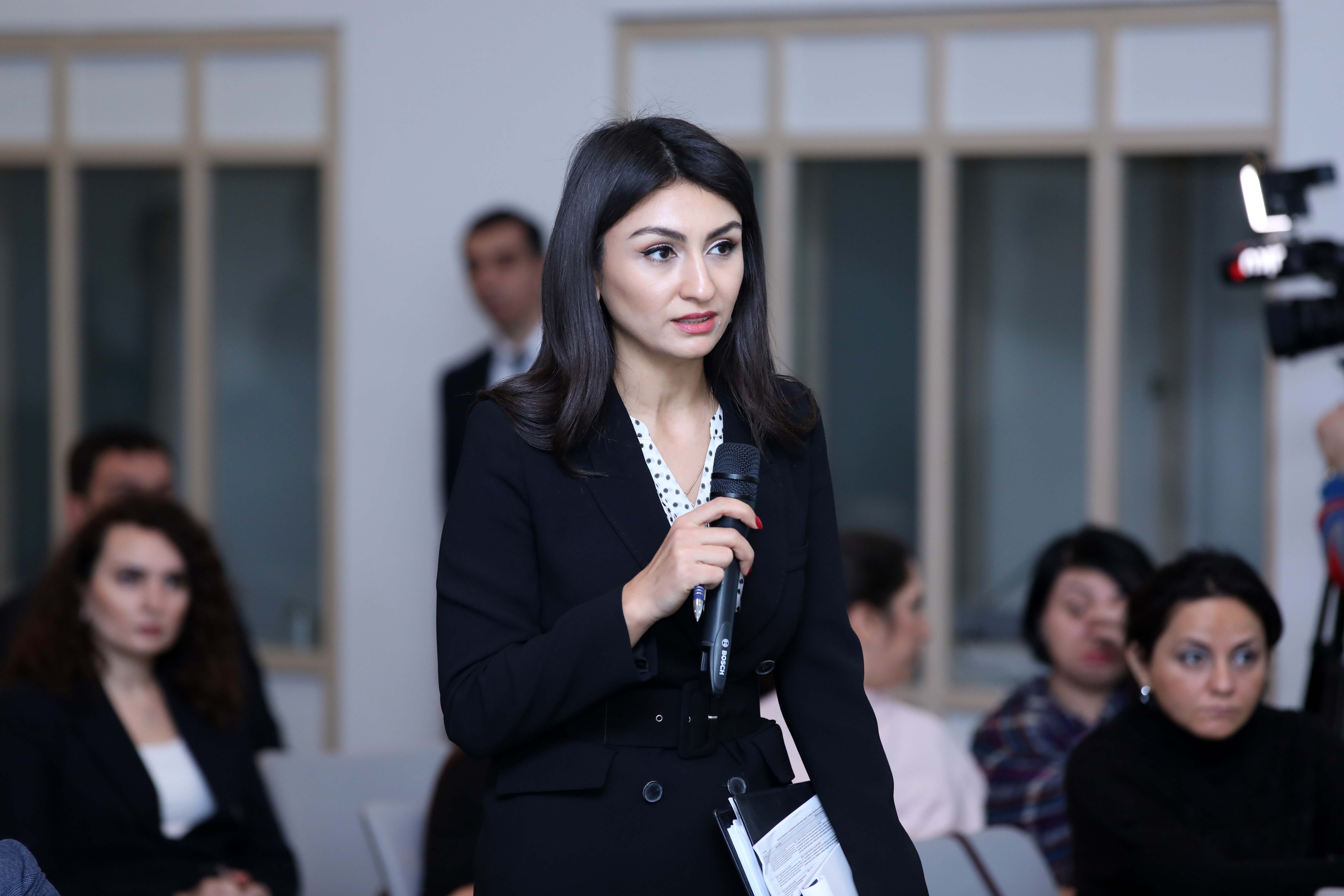
During the press conference, questions from media representatives were answered.